The list a new bird owner is given is usually far too long, and it usually leaves out the two things that matter most. Here is what to buy, in order.
First: the cage, and bigger than you were told
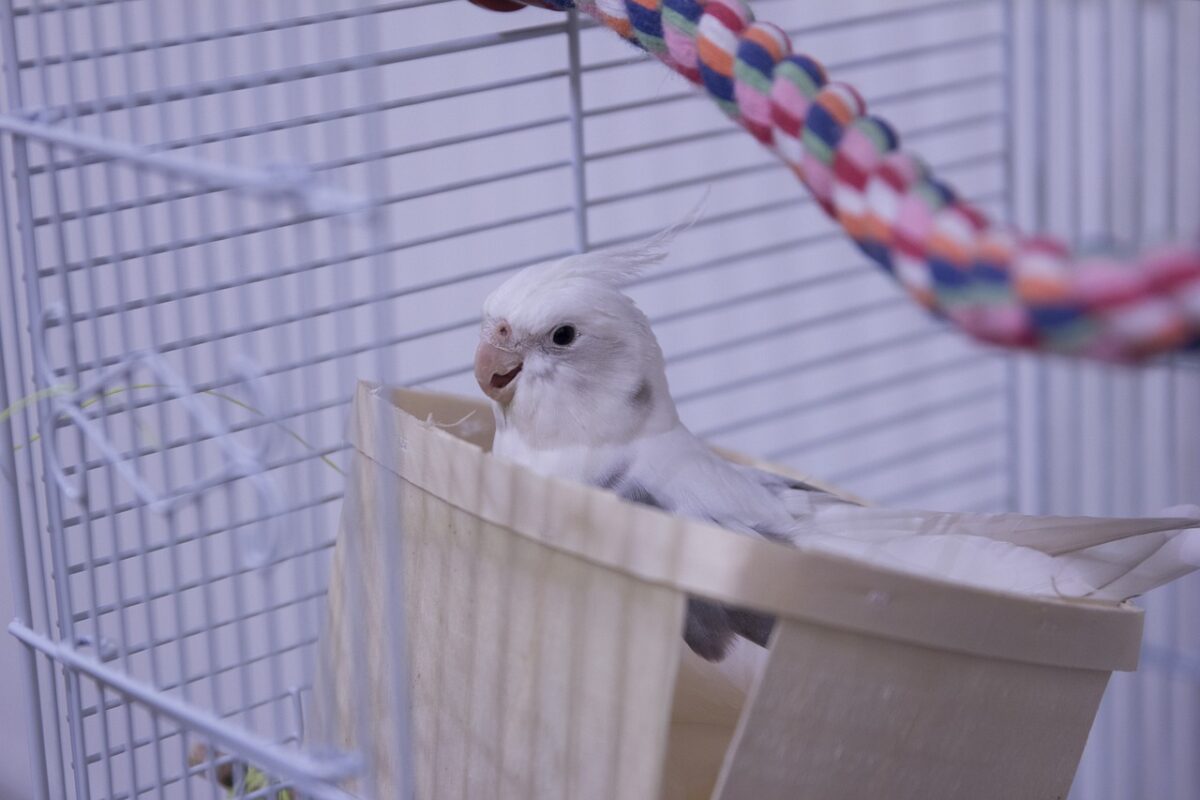
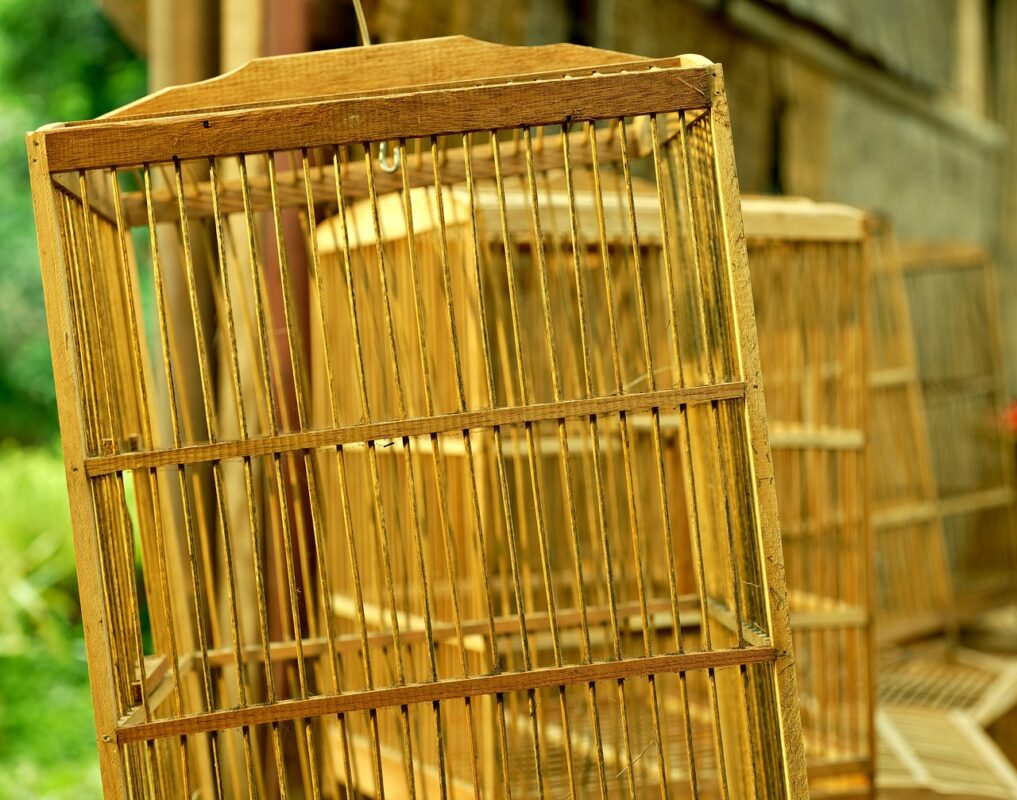
The most common mistake is a cage sized to the bird rather than to its wingspan and its need to move. Width matters more than height for almost all parrots — they fly across, not up.
Bar spacing has to suit the species. Too wide and a small bird gets its head through; too narrow and a large bird cannot climb comfortably. Check the specification for the species you have.
Horizontal bars on at least two sides give a climbing surface. A cage with only vertical bars is a much duller place to live.
Second: three or four perches of different diameters
Not the dowel the cage came with, or not only that. Natural branch of varying thickness, one flat platform near the bowls, and one comfortable perch at the highest point for sleeping.
This is the cheapest single upgrade to a bird’s quality of life and it is the one most often skipped.
Third: foraging toys, and more than you think
Enough for three rotating sets. Shredders if your bird destroys, hardwood chews if it grinds, puzzles if it solves. Start easy and build difficulty over weeks.
Budget for these as consumables. A shredding toy that lasts a month has done well.
Fourth: bowls, and a spare set
Stainless steel, two of each, so one set is always clean and dry. Plastic scratches and holds bacteria in the scratches.
A separate shallow dish for bathing, or a plant mister — most parrots need regular bathing for feather condition, and many enjoy it once they are used to it.
Fifth: a cover, a scale and a carrier
A cage cover helps establish a sleep routine, and companion parrots need ten to twelve hours of dark, quiet sleep.
A kitchen scale that reads in grams is the single most useful health tool you can own. Weigh weekly, at the same time of day. A bird losing weight will show it on the scale weeks before it shows it in behaviour.
A carrier before you need one, not after. The day you need to get to an avian vet quickly is not the day to be shopping.
What people buy and do not need
Mirrors, for most species. They can drive obsessive behaviour in birds that bond to their reflection.
Happy huts and fabric tents. Fibres get ingested and they encourage nesting behaviour and hormonal problems.
Grit, for parrots. Unlike pigeons and doves, parrots hull their seed and do not need it.
Sandpaper perch covers, as covered elsewhere on this journal.
The two things that are not products
An avian vet, identified and registered with before you need one. General small-animal practices are frequently not equipped for birds, and finding out during an emergency is the worst possible time.
And time. A parrot is a social animal that will live for decades. Nothing on this list substitutes for hours of attention, and any shop that tells you otherwise is selling you something.
We are at 2325 San Pedro Dr NE and happy to talk it through — contact page.
All articles
Browse the full range in the shop, read the frequently asked questions, or contact us — Birds of a Feather Parrot Pantry, Albuquerque, NM.